Estatuto de limitaciones por negligencia en Florida: lo que necesita saber
Las pruebas no esperan plazos. Tiene dos años para presentarlas, pero las pruebas que necesita para ganar podrían desaparecer en cuestión de días. ¿Está su caso protegido?

Finalmente te sientes lo suficientemente bien como para pensar en tomar acciones legales después de tu accidente en Tampa, pero cuando comienzas a investigar, descubres que las cámaras de seguridad estaban “Actualizado” el mes pasado y el material antiguo desapareció. ¿El testigo que te ayudó ese día? Su número de teléfono es desconectado. La brutal verdad sobre los casos de negligencia es que las pruebas necesarias para ganar a menudo desaparecen antes de que se acerque la fecha límite de presentación, por lo que en Ley de Armas, Siempre decimos a nuestros clientes que aunque tengan 2 años para presentar la solicitud, es mejor actuar rápidamente. ¿Tiene curiosidad por saber cómo se define la negligencia, cómo probarla o qué significa acumulación versus descubrimiento? Encuentre las respuestas a continuación + respuestas a las preguntas más comunes que nos hacen nuestros clientes.
Qué significa realmente “negligencia” según el plazo de dos años de Florida
En términos legales, la negligencia es la falta de uso “cuidado razonable” que cualquier persona prudente ejercería en circunstancias similares. Por ejemplo, un conductor distraído en la I-4 o un propietario en Tampa que ignora una fuga peligrosa son situaciones en las que no se está tomando la "prudencia razonable" para proteger a quienes lo rodean. La base de su demanda por negligencia radica en demostrar que... El descuido resultó directamente en su lesión.
¿Cómo se prueba la negligencia según la ley de Florida? Cuatro elementos clave
Para ganar un acuerdo o veredicto, Estatuto de Florida §95.11 requiere que presente su demanda por negligencia dentro de los 2 años (reducido de los 4 años bajo la HB 837). Para obtener información detallada sobre cada plazo específico por tipo de caso, consulte nuestro Guía completa sobre el estatuto de limitaciones de Florida. Para que su reclamación tenga éxito, deberá demostrar los siguientes cuatro elementos clave:
- Deber de cuidadoEste es el fundamento legal de su caso. Es la obligación específica que tiene una persona de no dañar a otra. Si bien no todos deben "cuidado" en todas las situaciones, la ley establece requisitos claros en accidentes comunes: los conductores deben operar los vehículos con seguridad, los propietarios deben mantener sus instalaciones libres de peligros y los profesionales deben brindar un servicio competente.
- Incumplimiento del deberIncluso si existiera el deber, debe probar que el demandado incumplió ese estándar demostrando que su conducta fue inferior a la que habría tomado una persona razonable. Este fundamento es frágil, ya que probar el incumplimiento requiere pruebas físicas que a menudo desaparecen rápidamente.
- Causalidad (fáctica y jurídica)Debe demostrar que su incumplimiento causó directamente su lesión (la prueba contra-fáctica) Y que su lesión fue un resultado previsible de su negligencia. Si espera meses para buscar tratamiento o asesoría legal, las compañías de seguros usarán esa brecha para crear teorías alternativas, argumentando que sus lesiones se deben a eventos intermedios para transferir el porcentaje de culpa hacia usted y activar la compensación. Barra de fallas 51% bajo Estatuto de Florida §768.81.
- Daños y perjuiciosDebe haber sufrido un daño real e indemnizable; la falta de daños significa que no hay compensación, incluso con negligencia manifiesta. Según la reciente reforma de responsabilidad civil de Florida (Proyecto de ley HB 837), los jurados ahora solo pueden ver los montos efectivamente pagados por facturas médicas pasadas (no los montos "facturados" inflados), las tarifas negociadas con las aseguradoras y las tarifas de Medicare/Medicaid. Esto facilita la recopilación de datos en tiempo real. Explicación del beneficio Se requieren formularios (EOB), recibos de copago y registros de farmacia, ya que reconstruir estos registros después de 2 años es una pesadilla burocrática que puede retrasar su liquidación.
¿Por qué es importante este marco legal? A diferencia de los casos de responsabilidad estricta, donde la culpa es automática (como casos de mordeduras de perro según el Estatuto de Florida §767.04), la negligencia requiere probar la conducta y la toma de decisiones humanas. Esto hace que la preservación de la evidencia sea crucial porque Los casos de negligencia dependen de mostrar lo que alguien hizo o dejó de hacer en momentos específicos con evidencia que existe en el mundo real y se deteriora con el tiempo..
¿Con qué rapidez desaparecen las pruebas? ¿Por qué la acción temprana fortalece los casos de negligencia?
Actuar con prontitud es la manera más eficaz de recuperar el control tras un accidente. Al asegurar proactivamente los detalles mientras están frescos, no solo cumple con una fecha límite, sino que construye una historia irrefutable de lo sucedido. Ley de Armas, Sabemos que navegar por la evidencia puede ser confuso, por eso la categorizamos por “vida útil” para que pueda comprender qué necesita atención inmediata:
- Evidencia inmediata (días a semanas):Esta categoría incluye información altamente perecedera que los sistemas automatizados o las ventanas legales estrictas pueden borrar rápidamente. Por ejemplo, documentación en vídeo de empresas locales que a menudo se reescriben en tan solo 7 a 30 días, datos de caja negra Los daños causados por camiones comerciales pueden perderse permanentemente si el vehículo permanece en servicio durante más de unas pocas semanas, y policía y accidente Los informes deben presentarse dentro de los 10 días siguientes a la Estatuto de Florida §316.066. Los informes policiales se mantienen confidenciales durante los primeros 60 días y solo las partes involucradas y sus abogados pueden acceder a ellos. Protegemos este registro. dentro de la primera semana para verificar la información de contacto de los testigos y las citaciones mientras la memoria del oficial esté fresca, garantizando así que el registro oficial sea preciso desde el principio.
- Evidencia a corto plazo (1-6 meses):Esta evidencia captura la claridad de los hechos ante el tribunal. El entorno cambia o los recuerdos de las personas comienzan a desvanecerse.. Algunos ejemplos clave incluyen declaraciones de testigos, que son más fiables cuando se registran poco después del acontecimiento; documentación de la escena que “congela” las condiciones del lugar del accidente antes de que se reparen los peligros; y registros digitales, como registros de mantenimiento o limpieza, que solicitamos rápidamente antes de que sean potencialmente eliminados durante las actualizaciones rutinarias del software de la empresa.
- Evidencia a largo plazo:Estos elementos proporcionan la prueba continua necesario para justificar el valor total de su reclamación durante todo el proceso legal. Los ejemplos incluyen el seguimiento de su gastos médicos pasados a través de formularios EOB y recibos para garantizar que cada dólar se contabilice según el Estatuto de Florida §768.0427; documentando el impacto no económico de su lesión a través de “diarios de dolor” para demostrar el daño intangible a su calidad de vida; y colaboración de expertos, donde utilizamos fotografías y datos de alta calidad obtenidos el primer día para crear una reconstrucción del accidente precisa y profesional.
¿Cuándo se origina una reclamación por negligencia? (Acumulación vs. descubrimiento)
Según el Estatuto de Florida §95.031(1), una reclamación por negligencia comienza legalmente “cuando se produce el último elemento que constituye la causa de la acción”—normalmente, la fecha del accidente cuando el incumplimiento del demandado causó su lesión. Sin embargo, debido a que algunas lesiones son "latentes" y están ocultas a simple vista, los tribunales de Florida aplican un Regla de descubrimiento estrecha. Esta regla puede pausar el plazo de dos años hasta que descubra (o razonablemente debería haber descubierto) que sufrió una lesión y que el acto ilícito de otra persona la causó. Ejemplos de lesiones que se ajustan a esta regla incluyen:
- Latente Lesiones Cerebrales:Síntomas de conmoción cerebral después de un accidente que no se manifiestan como discapacidades cognitivas hasta semanas después, cuando intenta volver a trabajar.
- Exposición a tóxicos:Problemas respiratorios o enfermedades causadas por moho oculto o exposición negligente a sustancias químicas en propiedades de alquiler que tardan meses en desarrollarse.
- Oculto Problemas de instalaciones:Fallas estructurales o peligros de “resbalones y tropiezos” no visibles para un visitante pero conocidos por un propietario negligente.
Verificación de la realidad:Los tribunales de Florida aplican la regla del descubrimiento extremadamente estrecho. Las compañías de seguros suelen argumentar que una lesión "debió haberse descubierto" mucho antes para intentar descalificar su reclamación. En lugar de basarse en una excepción legal, la forma más segura de proteger su derecho a una indemnización es establecer un cronograma con anticipación. Contacto De Armas Law para una evaluación profesional de su caso para confirmar sus plazos de presentación y garantizar que se preserve su evidencia.
Preguntas frecuentes sobre el estatuto de limitaciones por negligencia en Florida
Estas son las preguntas más comunes sobre tiempos que escuchamos de los clientes de Tampa y Orlando:
- ¿Cuándo comienza a correr el riesgo de negligencia en accidentes de Uber en Tampa u Orlando? El reloj comienza a correr desde que ocurre el accidente, independientemente de cuándo Uber u otras aseguradoras comiencen sus investigaciones.
- ¿Puedo presentar una demanda por negligencia contra un contratista que abandonó el estado de Florida? Sí, y su salida de Florida puede en realidad suspender (pausar) su estatuto de limitaciones. §95.051(1)(a) hasta que regresen o puedan ser atendidos adecuadamente.
- Si una empresa de Tampa se vendió después de mi accidente, ¿puedo demandar al propietario original después del plazo de 2 años? No, la venta no extiende su plazo. Debe presentar la demanda contra la parte responsable dentro de los dos años posteriores al accidente, independientemente de los cambios de titularidad de la empresa.
- ¿Qué sucede si descubro que la parte negligente mintió sobre su cobertura de seguro o proporcionó información falsa? La ocultación fraudulenta puede interrumpir su plazo en circunstancias muy limitadas, pero esto requiere probar un engaño activo más allá de la mera no divulgación.
- Si mi caso de negligencia involucra una pieza defectuosa del automóvil, ¿tengo plazos diferentes para el conductor y para el fabricante? Tanto la negligencia (contra el conductor) como la responsabilidad del producto (contra el fabricante) generalmente comparten el mismo plazo de 2 años según la ley de Florida, pero debe identificar y demandar a ambos dentro de su período de prescripción.
Proteja su reclamo por negligencia antes de que desaparezcan las pruebas: comuníquese con De Armas Law
Cuando la negligencia trastoca tu vida, no deberías tener que luchar contra el reloj mientras intentas sanar. En Florida, el plazo de prescripción de 2 años es solo el último; la verdadera batalla es... Asegurar la evidencia antes de que desaparezca. El abogado Jonathan De Armas utiliza su experiencia en defensa de seguros para identificar la prueba crítica que las aseguradoras suelen utilizar para desviar la culpa, bloqueando inmediatamente la evidencia para proteger su derecho a la recuperación. Llama a De Armas Law para una consulta gratuita en Tampa 813-680-7777, Orlando 407-362-7777, o Pinellas: 727-260-7777.
Disponible 24 horas al día, 7 días a la semana; sin cargo a menos que ganemos.
Descargo de responsabilidad: La información aquí contenida es solo para fines informativos, no crea una relación abogado-cliente y no pretende ser, ni debe considerarse, asesoramiento legal. Nos esforzamos por garantizar la precisión, pero es posible que parte de la información quede desactualizada o ya no sea aplicable. Los resultados legales varían según las circunstancias individuales. Los resultados anteriores no garantizan resultados iguales o similares.
Comparte esta publicación
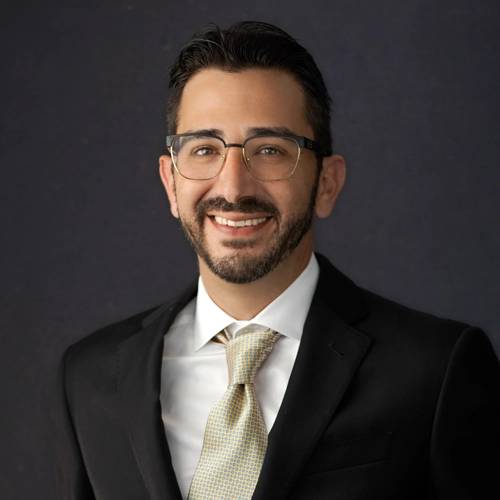
Acerca del autor: Jonathan De Armas, Esq
Jonathan De Armas, Esq., es el fundador de De Armas Law, que atiende a familias en Tampa y Orlando. Exdefensor público y abogado defensor de seguros, ahora defiende a las víctimas de lesiones con experiencia, integridad y atención personalizada.