¿Qué es la cobertura de colisión en Florida y cuándo realmente la necesita?
Florida no requiere cobertura contra colisiones, pero después de un accidente en la I-4, desearás tenerla.
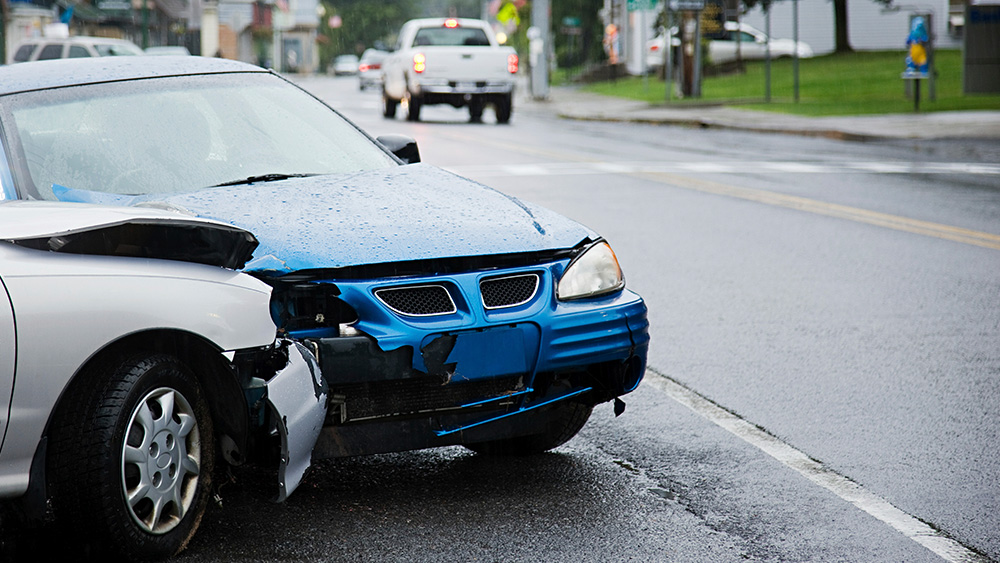
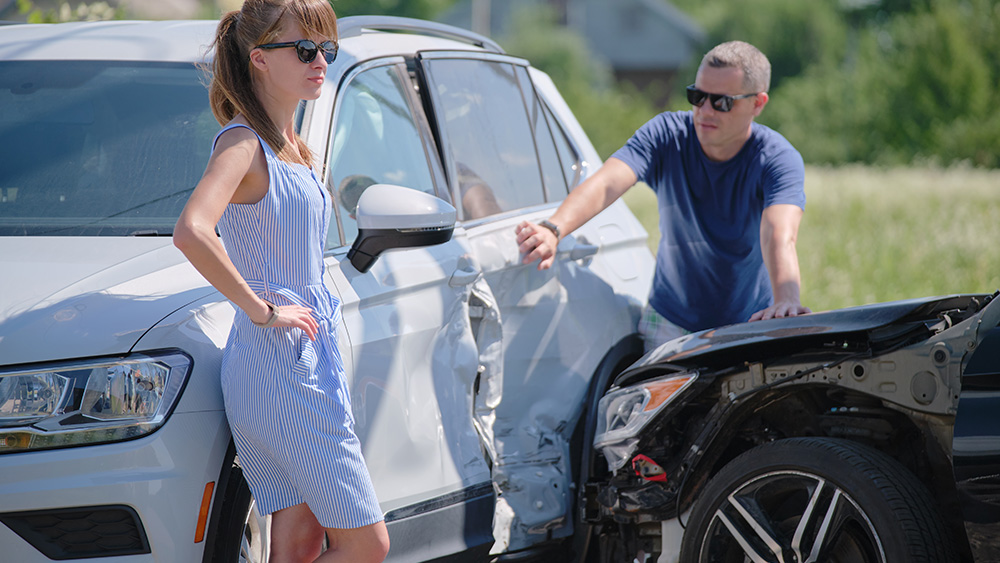
Estás sentado en tu auto averiado en la I-4 entre Tampa y Orlando, y piensas a mil: "¿Mi seguro cubrirá esto?". Sacas tu teléfono para consultar tu póliza, pero la jerga de los seguros es confusa. "¿Qué es la cobertura de colisión? ¿La tengo?". Sabemos que probablemente estés conmocionado y confundido sobre lo que sucederá después. Lo cierto es que muchos conductores de Florida desconocen la cobertura de colisión ni sus protecciones hasta que la necesitan desesperadamente. Esta falta de conocimiento puede dejarte financieramente vulnerable. accidentes automovilísticos en las concurridas carreteras de Tampa y Orlando.
¿Qué es la cobertura de colisión y cómo le protege?
La cobertura de colisión es un seguro opcional que cubre los daños a su vehículo causados por colisiones, vuelcos u objetos, independientemente de la culpa. A diferencia de la cobertura de responsabilidad civil obligatoria bajo... Estatuto de Florida 324.021, que protege la propiedad de otros, la cobertura de colisión protege la suya.
¿Qué cubre la cobertura de colisión?
- Reparación de vehículos tras chocar con otro vehículo.
- Daños por impactos contra objetos fijos como barandillas o árboles.
- Su automóvil puede volcarse o volcarse durante un accidente.
- Vandalismo o caída de objetos (dependiendo de su póliza).
¿Qué no está cubierto?
- Vehículos de otros conductores (esa es la cobertura de responsabilidad civil).
- Gastos médicos (que es Protección contra lesiones personales bajo Estatuto de Florida 627.736).
- Robo o daños climáticos (esa es una cobertura integral).
Consejo de experto: La cobertura de colisión tiene un deducible, generalmente de $250, $500 o $1,000. Usted paga primero el deducible y luego su seguro cubre los costos de reparación restantes hasta el valor real en efectivo de su vehículo.
¿Es obligatoria la cobertura de colisión según la ley de Florida?
No, Florida adopta un enfoque diferente al de la mayoría de los estados en materia de seguro de automóviles. Estatuto de Florida 324.021 Solo requiere:
- $10,000 Protección contra lesiones personales (PIP) Cubre el 80% de sus facturas médicas, independientemente de la culpa. Usted es responsable del copago del 20%, a menos que tenga cobertura de MED PAY.
- $10,000 Responsabilidad por daños a la propiedad, que paga por los daños a la propiedad de otras personas.
El problema con los mínimos de FloridaEstos requisitos protegen a otros de su conducción, pero no ofrecen ninguna protección contra los daños a su propio vehículo. Si lo choca un conductor sin seguro o alguien con una cobertura mínima, podría pagar miles de dólares en reparaciones de su bolsillo.
¿Cuándo necesita cobertura de colisión en Florida?
La cobertura de colisión es financieramente esencial en determinadas situaciones:
1. Estás financiando o arrendando tu vehículo.
Las entidades crediticias exigen cobertura contra colisiones para proteger sus intereses financieros. Si no cumple con estos requisitos, su entidad crediticia puede imponerle una cobertura costosa y facturarla.
2. Su vehículo tiene un valor significativo.
Si los costos de reparación exceden su presupuesto de bolsillo, la cobertura contra colisiones protege su inversión. Según la Datos sobre lesiones del Consejo Nacional de Seguridad, El costo promedio de daños a la propiedad por vehículo es de $6,300, y muchas colisiones requieren miles de dólares en reparaciones para vehículos modernos con sistemas de seguridad avanzados y piezas costosas.
3. No puede permitirse reemplazar su automóvil.
Para las familias que dependen de su vehículo para trabajar o cumplir con sus responsabilidades diarias, la cobertura contra colisiones es lo que garantiza que no se quede varado esperando que se procese un reclamo por culpa del conductor culpable.
4. Conduce en zonas de alto riesgo.
El intercambio de la I-275 en el centro de Tampa y la intersección de la I-4/408 en Orlando registran accidentes frecuentes. Las zonas con gran afluencia turística, como International Drive, generan riesgos adicionales, ya que conductores desconocidos realizan maniobras repentinas.
Verificación de la realidad local: Según el Panel de control de accidentes del Departamento de Seguridad Vial y Vehículos Motorizados de Florida, El condado de Hillsborough registró 22,799 accidentes en 2025. Muchos conductores involucrados tienen una cobertura de seguro mínima insuficiente para cubrir los daños del vehículo.
¿Cómo funciona la cobertura de colisión con el sistema sin culpa de Florida?
El sistema de seguro sin culpa de Florida bajo Estatuto de Florida 627.736 maneja los gastos médicos a través de Seguro PIP, pero los daños al vehículo siguen las reglas tradicionales basadas en culpa:
Opciones después de un accidente:
- Presentar su solicitud con su cobertura de colisión para reparaciones inmediatas menos el deducible.
- Presentar el caso ante el seguro del conductor culpable. Espere a que se determine la falla y espere que tengan suficiente cobertura.
- Presentar una reclamación ante la UMPD Si compró el seguro contra daños a la propiedad de conductores no asegurados como complemento opcional y el otro conductor no tiene cobertura.
- Gastos de bolsillo. ¿Sin cobertura de colisión ni UMPD? Pagarás por adelantado.
Por qué la cobertura de colisión acelera la recuperación: En lugar de esperar semanas para que se determine la culpa y pelear con el seguro del conductor culpable, la cobertura de colisión repara su vehículo de inmediato. Su compañía de seguros luego solicita el reembolso a la parte responsable mediante subrogación.
¿Qué sucede si no tienes cobertura de colisión después de un accidente?
Sin cobertura de colisión, dependes completamente del seguro del conductor culpable para las reparaciones del vehículo. Dificultades que podrías experimentar con esto:
- Retrasos en las reclamacionesLas aseguradoras que se encargan de la culpa a menudo demoran la determinación de la culpa durante semanas o meses.
- Disputas de cobertura:Es posible que el conductor responsable no cuente con una cobertura adecuada por daños a la propiedad.
- Acuerdos de bajo precioLas compañías de seguros ofrecen reparaciones en talleres con precios reducidos o infravaloran su vehículo.
- Brechas en los vehículos de alquiler:La falta de cobertura por colisión a menudo significa que no hay cobertura para el auto de alquiler durante las reparaciones.
- Conductores sin seguro: El tarifa para conductores sin seguro en Florida es 5.37% a diciembre de 2025, con el condado de Hillsborough en 5.75% y el condado de Orange en 5.66%, dejándolo a usted a pagar por sus daños.
Escenario real de TampaSu auto fue chocado por detrás en la I-275 en hora punta. El conductor culpable tiene una cobertura mínima de daños materiales de $10,000, pero su vehículo necesita reparaciones por $15,000. Sin cobertura de colisión, usted es responsable de la diferencia de $5,000 y debe luchar por cada dólar.
¿Cuándo contactar a un abogado por disputas sobre cobertura de colisión?
Contacto Nuestro Tampa y Orlando abogados de accidentes automovilísticos Si su aseguradora:
- Niega reclamaciones válidas por colisión sin una investigación adecuada.
- Provoca retrasos irrazonables en el procesamiento de reclamaciones bajo Estatuto de Florida 627.4265.
- Oportunidades bajas su pago o subvalora su vehículo en una pérdida total.
- Disputas ya sea que el daño sea por colisión o cobertura integral, o no le reembolsen su deducible después de la subrogación.
- Malos manejos accidentes complejos con múltiples vehículos o disputas por culpas.
Las compañías de seguros se benefician al minimizar los pagos, incluso a sus asegurados, por lo que La representación legal termina valiendo la pena, ya que significa que recibes la cobertura por la que pagaste.
Preguntas frecuentes adicionales sobre la cobertura de colisión en Florida
Después de ayudar a familias de Tampa y Orlando con disputas de cobertura de colisión, estas son las preguntas que más escuchamos:
1. ¿La cobertura de colisión afecta mis tarifas después de un accidente por culpa mía?
Sí, presentar una reclamación por colisión en un accidente con culpa suele aumentar las primas. Sin embargo, si no tiene culpa, muchas aseguradoras ofrecen programas de "perdón de accidentes" que protegen sus primas.
2. ¿Puedo agregar cobertura de colisión después de un accidente en Florida?
No, no se puede añadir cobertura por colisión después de un accidente. Las compañías de seguros exigen que la cobertura esté vigente antes de que se produzca cualquier pérdida.
3. ¿Cuánta cobertura contra colisiones debo tener?
La cobertura contra colisiones debe coincidir con el valor real en efectivo de su vehículo. Para vehículos financiados, asegúrese de que la cobertura cumpla con los requisitos de su prestamista, generalmente el monto total del préstamo.
4. ¿Qué pasa si mi cobertura de colisión no es suficiente?
Si los costos de reparación exceden los límites de su póliza, usted es responsable de la diferencia a menos que pueda recuperarla del seguro del conductor culpable.
5. ¿La cobertura de colisión incluye la cobertura del vehículo de alquiler?
No automáticamente. El reembolso del alquiler suele ser una opción de cobertura independiente que debes añadir a tu póliza.
Obtenga asistencia legal para disputas de cobertura de colisión en Florida
Si se encuentra en Tampa, Orlando o Florida Central y está lidiando con disputas de cobertura de colisión, no acepte un trato injusto por parte de las compañías de seguros que se benefician de minimizar reclamos legítimos. Ley de Armas, Entendemos los requisitos de seguro de Florida y las tácticas que utilizan las empresas para evitar una compensación justa.
Llama a De Armas Law Para una consulta gratuita: Tampa 813-680-7777 | Orlando 407-362-7777. Estamos disponibles las 24 horas, los 7 días de la semana porque las disputas por cobertura de colisión no pueden esperar y usted no paga nada a menos que ganemos.
Descargo de responsabilidad: La información aquí contenida es solo para fines informativos, no crea una relación abogado-cliente y no pretende ser, ni debe considerarse, asesoramiento legal. Nos esforzamos por garantizar la precisión, pero es posible que parte de la información quede desactualizada o ya no sea aplicable. Los resultados legales varían según las circunstancias individuales. Los resultados anteriores no garantizan resultados iguales o similares.
Comparte esta publicación
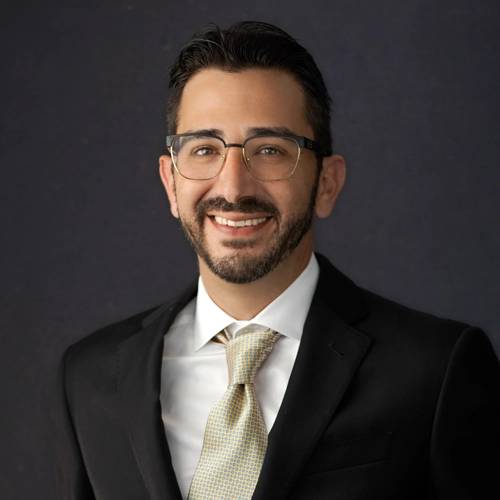
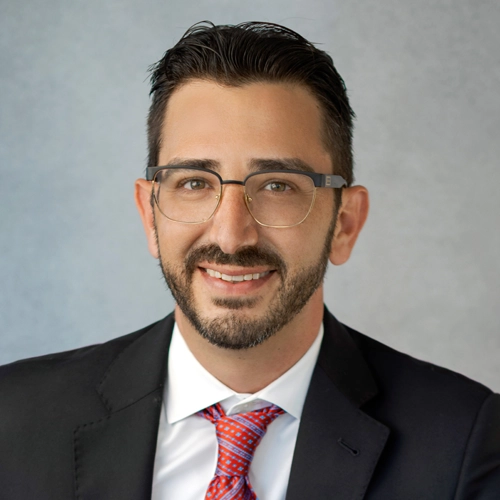
Acerca del autor: Jonathan De Armas, Esq
Jonathan De Armas, Esq., es el fundador de De Armas Law, que atiende a familias en Tampa y Orlando. Exdefensor público y abogado defensor de seguros, ahora defiende a las víctimas de lesiones con experiencia, integridad y atención personalizada.