


Motorcycle Accident Claims in Central Florida: What Riders & Families Should Expect
Central Florida motorcycle riders face legal challenges car drivers never see. What families need to know before it's too late.

When a motorcycle accident happens on I-4 between Tampa and Orlando, or along any Central Florida roadway, your family’s world changes instantly. You’re overwhelmed, wondering how you’ll manage medical bills, lost income, and insurance battles while focusing on recovery. Unlike car accident victims, motorcyclists and their families face Florida’s legal system without the safety net of Personal Injury Protection (PIP) coverage, making every decision critical to your family’s financial future.
As your trusted Florida motorcycle accident lawyer, we know the unique challenges your family faces and the specialized legal approach needed to protect your rights.
Why Do Motorcycle Accidents Devastate Families More Than Car Crashes?
The financial impact on Tampa and Orlando families is immediate and severe because motorcycles are excluded from Florida’s Personal Injury Protection (PIP) requirements under Florida Statute 627.736, which mandates PIP coverage for motor vehicles but has been consistently interpreted by Florida courts to exclude motorcycles.
This means your family doesn’t receive the $10,000 in PIP coverage that car accident victims get for medical expenses and lost wages, despite NHTSA data showing motorcyclists are 28 times more likely to be killed and 5 times more likely to be injured per vehicle miles traveled than car occupants.
Critical Legal Differences for Motorcycle Crash Attorney Cases:
- No Immediate Medical Coverage: Unlike car accidents where PIP insurance covers 80% of medical bills, motorcycle families must pursue compensation directly from the at-fault driver.
- Higher Out-of-Pocket Expenses: Emergency room visits, surgeries, and rehabilitation costs come entirely from your family’s resources initially, with motorcycle injuries in Florida costing an estimated $12 billion annually according to Florida’s National Highway Traffic Safety Administration – Motorcycle Safety, 5-Year Plan.
- Modified Comparative Negligence Impact: Under Florida Statute 768.81, if the motorcyclist is over 50% at fault, your family recovers nothing.
Families are more vulnerable when insurance companies exploit anti-motorcycle bias, questioning helmet use, visibility, or riding behavior to minimize compensation. As an experienced Florida motorcycle accident lawyer in Tampa and Orlando, my team knows these tactics and can counter them with evidence-based advocacy.
Are You Protected? What Every Florida Rider Should Know About Insurance
Motorcycle riders in Florida must secure their own financial protection. Here’s what you need to know:
Florida’s Bare Minimum Requirements
Florida doesn’t require motorcycle insurance for registration, but you must show financial responsibility if involved in an accident. The required minimums:
- $10,000 per person/$20,000 per accident bodily injury liability
- $10,000 property damage liability
The Problem: These minimums likely won’t cover the full extent of your injuries and damages combined.
What Smart Riders Actually Buy
- Higher liability limits (at least $100,000/$300,000).
- Uninsured/underinsured motorist coverage.
- Medical payments coverage to fill the PIP gap that car drivers take for granted.
The Bottom Line: Buying comprehensive protection before you need it makes a world of difference in helping you to recover and not end up in a devastating financial situation.
What Injured Riders Need to Know About Protecting Your Rights As You Heal
- Your Cognitive State Affects Legal Decisions: Head injuries, pain medications, and trauma can impair your judgment when insurance companies call with “generous” settlement offers. Never make binding legal decisions while on pain medication or within the first 72 hours of a serious accident.
- Your Injury Timeline Matters: Unlike minor car accident injuries that resolve quickly, motorcycle injuries often worsen over weeks. Torn ligaments, concussion symptoms, and nerve damage may not fully manifest until you try returning to normal activities.
- Document Your Recovery: Keep a daily journal of pain levels, missed activities, and how injuries affect your life.
- Know When You Can’t Ride Again: Some injuries permanently prevent riding. Loss of balance, reduced reaction times, or chronic pain can end riding careers.
- Your Gear Tells Your Story: Never discard damaged helmets, protective clothing, or equipment. These items prove you rode responsibly and help accident reconstruction experts determine impact forces and fault.
How Do Families Manage Bills During the Claims Process?
Without automatic insurance payments, motorcycle families must manage the claims process by:
- Coordinate with Health Insurance: Your health insurance becomes primary for medical bills, but may seek reimbursement from your settlement under Florida Statute §627.7405, which governs insurer subrogation rights to recover payments made on your behalf. However, Florida’s “Made Whole Doctrine” protects you by requiring full compensation for all your losses before your health insurer can collect anything back, as detailed in cases like Intervest Construction of Jacksonville, Inc. v. General Fidelity Insurance Company.
- Document All Expenses: Medical bills, transportation costs, lost wages, and family caregiving expenses factor into compensation calculations. Keep detailed records from day one: motorcycle injury cases often involve higher damages than car accidents, making thorough documentation essential for maximum recovery.
How Can Families Protect Themselves from Insurance Company Tactics?
Insurance adjusters contact families within 24-48 hours, often when emotions are high and legal knowledge is limited. Never provide recorded statements without consulting your Florida motorcycle accident lawyer first.
Insurance Company Tactics to Expect:
- Sympathy Calls: Adjusters express concern while fishing for statements that minimize their responsibility.
- Quick Settlement Offers: Low initial offers presented as “generous” before medical treatment reveals full injury extent — these offers often include language that waives your rights to future claims, even if complications develop later.
- Fault Shifting: Questioning motorcycle visibility, speed, or lane positioning to reduce their payout.
Critical Warning: Never sign settlement documents or accept payments without legal review. Florida law allows you to revoke settlements within a limited time frame, but only if specific legal requirements are met. Protect your family’s future by consulting with our Florida motorcycle accident lawyer before making any binding decisions.
What Legal Deadlines Must Families Track in Florida?
Critical Deadline: Following House Bill 837, personal injury lawsuits must be filed within 2 years of the accident date (reduced from 4 years for accidents after March 24, 2023).
Additional Timeline Considerations:
- Medical Treatment Documentation: Continuous medical care strengthens claims, but treatment gaps allow insurance companies to question injury severity.
- Property Damage Claims: Separate 4-year deadline for motorcycle replacement or repair costs.
- Insurance Claim Filing: Most policies require prompt notification, usually within 30 days of discovery.
Families must handle evidence preservation, financial management, insurance communications, and legal deadlines while caring for injured riders, making experienced legal representation essential.
How Do Wrongful Death Claims Support Families Through Loss?
When fatal motorcycle accidents occur, surviving families face devastating grief and complex legal requirements under Florida’s wrongful death laws. Florida Statute 768.19 defines the right to bring wrongful death claims when a death is caused by the wrongful act, negligence, or breach of contract of another.
The deceased estate’s personal representative brings the claim on behalf of the family as outlined in Florida Statute 768.20:
- Surviving Spouse: Entitled to lost support, services, and companionship.
- Minor Children: May recover lost parental companionship, instruction, and guidance.
- Adult Children (if no surviving spouse): Can claim loss of companionship and support.
- Parents (in specific circumstances): When the deceased had no spouse or children.
Recoverable Damages for Families Under Florida Statute 768.21:
- Economic Losses: Lost earnings, benefits, and services the deceased would have provided.
- Non-Economic Damages: Mental pain, suffering, and loss of companionship for survivors.
- Medical and Funeral Expenses: All costs related to final illness and burial.
- Lost Net Accumulations: Money the deceased would have saved for family benefit.
What Happens When Riders Survive But Families Still Struggle?
Catastrophic motorcycle injuries—traumatic brain injuries, spinal cord damage, multiple fractures—often require family members to become full-time caregivers while managing insurance battles and financial stress.
Long-Term Family Impact:
- Spousal Caregiving: When spouses leave jobs to provide care, family income plummets while expenses soar.
- Children’s Needs: Educational expenses, counseling, and emotional support often increase when parents suffer permanent disabilities.
- Home Modifications: Wheelchair accessibility, medical equipment, and safety modifications require significant upfront investment.
Financial Planning Considerations: Successful motorcycle accident settlements must account for lifetime care costs, not just immediate medical bills. This requires working with life care planners and economists who understand long-term family financial needs, especially in underinsured motorist situations where the at-fault driver’s insurance cannot cover full damages—making additional coverage sources critical for recovery.
Frequently Asked Questions We Get From Motorcycle Riders
As a motorcycle crash attorney in Central Florida, we understand riders have unique concerns beyond what families face; here’s the most common ones we get:
- Am I liable for my passenger’s injuries? Yes, as the rider, you’re responsible for your passenger’s injuries if the accident was your fault, so adequate liability coverage is crucial for protecting yourself and your loved ones.
- What should I do immediately after a motorcycle accident as the injured rider? Stay conscious of your surroundings, avoid moving if you suspect spinal injuries, don’t remove your helmet unless medically necessary, and document the scene if physically able.
- How does Florida’s helmet law affect my motorcycle accident claim? Florida requires helmets only for riders under 21 or those without $10,000 in medical insurance. Not wearing a helmet won’t bar your claim, but insurance companies may use it to argue comparative negligence.
- Can I ride legally after a motorcycle accident while my claim is pending? Yes, unless your license is suspended for other reasons, but ensure your motorcycle is roadworthy and your insurance remains active throughout the claims process.
Get the Florida Motorcycle Accident Lawyer Your Family Needs
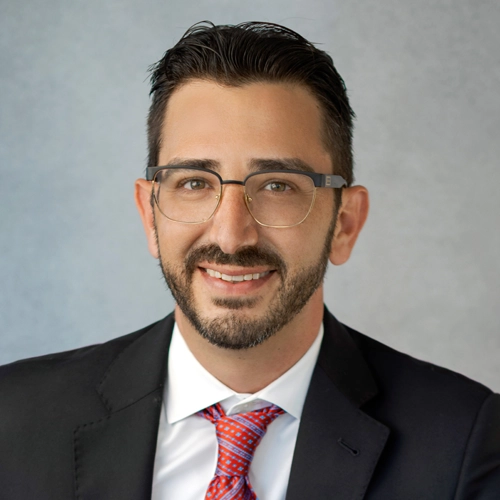
You didn’t choose to become an expert on motorcycle accident claims—but we did. While you focus on healing, our Florida motorcycle accident lawyer, Jonathan De Armas, personally handles the insurance battles and legal deadlines that could impact your recovery.
Contact our Tampa office at 813-680-7777 or Orlando office at 407-362-7777 for a free, 24/7 consultation. You pay nothing unless we win.
Disclaimer: The information contained herein is for informational purposes only, does not create an attorney-client relationship, and is not intended, and should not be relied upon, as legal advice. We strive to ensure accuracy but some information may become outdated or no longer applicable. Legal outcomes vary based on individual circumstances. Past results do not guarantee the same or similar outcomes.
Share This Post
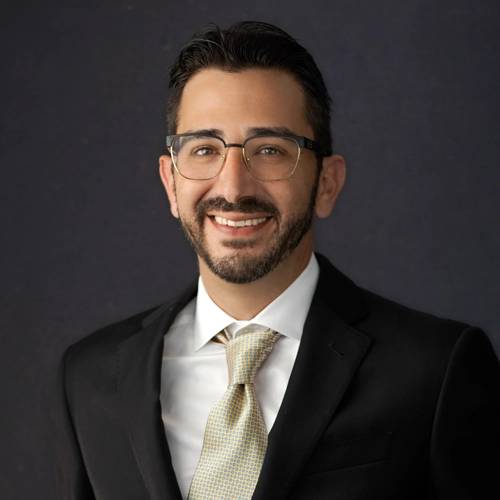
About The Author: Jonathan De Armas, Esq
Jonathan De Armas, Esq. is the founder of De Armas Law, serving families across Tampa and Orlando. A former public defender and insurance defense attorney, he now fights for injury victims with experience, integrity, and personal attention.



 Website by