


How HB 837 Changed Comparative Fault in Florida (The New 51% Rule)
Florida's biggest legal change in decades: why 51% fault now means zero recovery for Orlando and Tampa families.

You’re sitting in the emergency room after your Tampa accident, worried about medical bills and how you’ll miss work, when someone mentions you might be “partially at fault.” Under Florida’s old law, that would have meant reduced compensation. Today, being found 51% at fault means you walk away with nothing. This law change, passed with HB 837’s comprehensive tort reform, shifts Florida from pure comparative negligence to a modified system with a 51% bar rule effective March 24, 2023. Learning how this new system can impact you as a personal injury victim means the difference between recovery and financial hardship.
How Does HB 837 Change Comparative Fault in Florida?
When accidents involve shared responsibility between parties, Florida’s legal system must determine how to divide fault and allocate compensation. HB 837 completely reshaped this process by replacing Florida’s previous system with one that creates an “all-or-nothing” outcome based on a single percentage point.
Florida’s Old System vs. The New System
Before HB 837, Florida operated under pure comparative negligence, which allowed injured parties to recover compensation regardless of their fault percentage. The new law replaced this with modified comparative negligence, creating a critical 51% threshold.
Pure Comparative Negligence (Before HB 837): Allowed recovery regardless of fault percentage, with compensation reduced proportionally. Even if you were 99% at fault, you could still recover 1% of damages. Here is how it worked:
- Formula: Recovery = Total Damages × (100% – Your Fault Percentage).
- Tampa Example: $100,000 in damages, 75% your fault = $25,000 recovery.
Modified Comparative Negligence (After HB 837): Creates a hard cutoff at 51% fault where recovery is completely eliminated rather than just reduced. Here is how it works:
- 50% or less fault: You recover damages minus your fault percentage.
- 51% or more fault: You receive nothing.
- Real Orlando Scenario: You’re rear-ended on I-4, but you were texting. Under the old law at 60% fault, you’d recover $40,000 from $100,000 in damages. Under HB 837, you get zero.
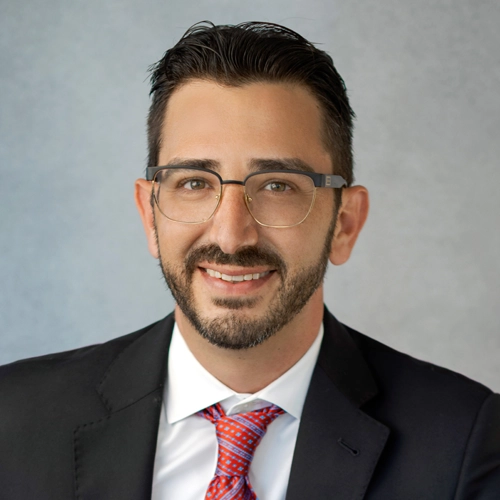
“The 51% rule represents the most significant change to Florida personal injury law in decades. Families who previously could count on some financial recovery now face the possibility of losing everything based on a single percentage point. This makes early legal representation and evidence preservation more critical than ever.” — Jonathan De Armas, De Armas Law.
What Else Did HB 837 Change That Affects Injury Victims?
Beyond comparative fault, HB 837 made several other changes that work together to limit compensation for accident victims:
- Shortened Filing Deadline: Personal injury lawsuits must be filed within 2 years instead of 4 years, giving families less time to understand their injuries, gather evidence, and make informed legal decisions while dealing with recovery and medical treatment.
- Medical Damages Limits: Courts now only consider amounts actually paid for medical care, not the full amounts originally billed. Since insurance companies and Medicare negotiate significantly lower rates than standard charges, this change reduces compensation for both current and future medical expenses.
- Joint and Several Liability Eliminated: Each defendant only pays their proportionate share, even if others can’t pay. If three parties caused your accident,t but two are financially unable to pay their portions, you can’t collect the full amount from the remaining defendant—you’re limited to their fault percentage.
- Attorney Fee Restrictions: New “lodestar” presumptions make it harder to recover enhanced attorney fees based on hours worked and reasonable rates, potentially limiting access to experienced legal representation for complex cases requiring extensive resources.
- Bad Faith Claim Protections: Insurance companies receive stronger defenses against bad faith lawsuits, making it more difficult to hold insurers accountable when they unreasonably delay, deny, or undervalue legitimate claims.
How Courts Now Handle These Changes: The Florida Supreme Court amended Standard Jury Instructions to include specific verdict forms that require juries to assign fault percentages to each party, then apply the 51% threshold test. If a plaintiff is more than >50% at fault,lt they should not proceed to calculate damages, ending the analysis at fault determination.
Real-World Impact: How Does The 51% Rule Change Outcomes for Victims?
Understanding how the 51% rule affects real families in Tampa and Orlando requires looking at specific scenarios where shared fault situations now lead to dramatically different outcomes than they would have before HB 837.
- Car Accidents in Central Florida: Sarah gets rear-ended on I-4 while checking GPS and is found 70% at fault. Before HB 837: $15,000 recovery from $50,000 in damages. After HB 837: $0. Central Florida’s challenging traffic patterns now carry much higher stakes, where minor distractions can eliminate all compensation.
- Slip and Fall and Premises Liability Cases: Mike slips on an unmarked wet floor while looking at his phone and is found 60% at fault. Before HB 837: $10,000 recovery from $25,000 in bills. After HB 837: $0. Under Florida Statute §768.0755, property owners focus heavily on proving visitor “carelessness” because 51% fault means paying nothing.
- Multi-Family Housing and Apartment Complex Cases: Carlos trips on broken steps while carrying groceries and is found 55% at fault for not holding the handrail. Before HB 837: $13,500 recovery from $30,000 in damages. After HB 837: $0. Property managers now aggressively argue tenant fault to push plaintiffs over the 51% threshold.
- Pedestrian and Bicycle Accidents: Lisa is struck by a car while crossing mid-block in Orlando and is found 80% at fault for not using the crosswalk. Before HB 837, she would recover $15,000 from $75,000 in medical expenses (20% of the total). After HB 837, $0. Actions that previously meant reduced compensation—wearing dark clothing at night or not using distant crosswalks—can now eliminate all recovery.
These scenarios demonstrate how HB 837 transforms shared-fault accidents from “reduced recovery” situations into “no recovery” situations. The single percentage point that separates 50% fault from 51% fault now determines whether Tampa and Orlando families receive financial support for medical bills, lost wages, and recovery or face financial hardship alone.
Why Does This Matter for Your Family’s Financial Future?
HB 837’s changes have completely altered the stakes from “how much will I recover?” to “will I recover anything at all?” Here’s how these new rules directly impact Tampa and Orlando families:
- Insurance Companies Exploit the New System: Adjusters now rush investigators to accident scenes within hours, analyze your social media for contradicting evidence, and contact you for recorded statements while you’re recovering—all focused on pushing your fault percentage above 50%.
- Evidence Collection Becomes Critical: The first 48 hours determine whether you have documentation to fight fault allegations. Scene photos, witness statements, surveillance footage, and medical records that previously supported damage calculations now determine whether you receive any compensation.
- Professional Representation Is Essential: The all-or-nothing nature means you need representatives who build cases specifically to keep fault percentages below the critical threshold, coordinate with accident reconstruction specialists, and counter tactics designed to maximize your responsibility.
Time-Critical Reality: Insurance companies are investigating and documenting evidence from minute one, so you need someone building yours just as fast. The margin for error has been completely eliminated under these new rules.
FAQs About HB 837 and Florida’s Comparative Fault System
Here are the urgent questions Tampa and Orlando families ask us about how HB 837’s comparative fault changes affect their specific situations:
1. Are Any Case Types Exempt From HB 837’s 51% Rule? Yes. Medical malpractice cases are exempt under Florida Statute 768.81 (5) and continue operating under the party’s percentage of fault.
2. Can Insurance Companies Reopen Cases They’ve Previously Settled? No. HB 837 Section 14 explicitly states the law applies to causes of action accruing after March 24, 2023.
3. How Does HB 837 Interact With Florida’s No-Fault Insurance System? Florida Statute §627.736 governing PIP coverage remains unchanged. However, when stepping outside the no-fault system for serious injuries under Florida Statute §627.737, the new rules apply to third-party claims.
4. Does HB 837 Affect Uninsured Motorist Claims? Florida Statute §627.727 governing UM/UIM coverage operates under the same comparative fault rules, meaning the new threshold applies to these claims.
5. How Have Settlement Negotiations Changed Under the New Rules? Insurance companies now have enhanced leverage because they face zero liability if they can prove just over 50% fault. This has made them less willing to negotiate early settlements and more aggressive in fault-shifting tactics.
6. Will This Law Reduce My Insurance Premiums? Florida Statute §627.0629 requires insurers to file rate justifications, but early data shows minimal premium reductions. The law primarily benefits insurers by reducing payout obligations while families pay similar premiums for reduced protection.
Protect Your Family’s Rights Under Florida’s New 51% Rule.
If you’re in Tampa, Orlando, or Central Florid, a dealing with an accident under these changed legal rules, don’t face insurance companies alone. At De Armas Law, we’ve successfully secured compensation for families navigating these comparative fault changes throughout Hillsborough and Orange Counties, protecting clients from aggressive fault-shifting tactics that could eliminate their recovery entirely. Call De Armas Law for a free consultation: Tampa 813-680-7777 | Orlando 407-362-7777. We’re available 24/7 because your recovery can’t wait, and you pay nothing unless we win.
Disclaimer: The information contained herein is for informational purposes only, does not create an attorney-client relationship, and is not intended, and should not be relied upon, as legal advice. We strive to ensure accuracy but some information may become outdated or no longer applicable. Legal outcomes vary based on individual circumstances. Past results do not guarantee the same or similar outcomes.
Share This Post

About The Author: Jonathan De Armas, Esq
Jonathan De Armas, Esq. is the founder of De Armas Law, serving families across Tampa and Orlando. A former public defender and insurance defense attorney, he now fights for injury victims with experience, integrity, and personal attention.




 Website by