Attorney Fees After HB 837: What Plaintiffs Should Understand
Florida's new fee rules favor insurance companies, unless you know the settlement proposal loophole they don't want publicized.

You’re probably shaken up after your Tampa dog bite, Orlando car crash, or slip and fall, and now reading up on Florida’s “HB 837 Tort Reforms” and its impact on attorney fees. Questions race through your mind, “Will I owe fees if I lose, or lose settlement value if I win?” This plaintiff-based guide helps you understand attorney fees after HB 837, remaining recovery options, and the potential impact on your case outcome.
What Is HB 837 and How Does It Change Attorney Fees?
Florida’s House Bill 837 (Chapter 2023-15) represents the most notable tort reform legislation in decades, reshaping how attorney fees after HB 837 are calculated and awarded in personal injury cases. Signed into law on March 24, 2023, and effective immediately for cases accruing after this date, HB 837 aimed to standardize insurance litigation throughout Florida. The legislation made 4 pivotal changes to plaintiffs’ fees:
- Repealed one-way attorney fees under Florida Statute §627.428 (life, health, disability insurance) and §626.9373 (surplus lines insurance). Previously, winning plaintiffs could force insurers to pay fees; now that’s gone, putting insureds at a huge disadvantage.
- Established the lodestar method presumption under Florida Statute §57.104 for determining reasonable attorney fees. Courts now presume that “hours worked × reasonable rate” is fair, with multipliers being considered in rare exceptions.
- Limited contingent fee percentages are inadmissible evidence for fee reasonableness determinations. Your attorney’s standard 33-40% contract can’t justify higher court awards anymore.
- Preserved settlement proposal fee recovery under Florida Statute §768.79 for strategic settlement offers. Make a reasonable proposal; if you are rejected and you win at trial, fees still shift to them.
Expert Tip: These changes don’t eliminate your ability to hire on contingency (no upfront costs)—they just limit insurer-pays scenarios when you win. Have questions about attorney fees after HB 837 in your case? Call us now.
Why Were One-Way Attorney Fees Repealed?
Before HB 837, Florida’s “one-way attorney fee” statutes heavily favored injured plaintiffs in insurance disputes. If you won against an insurer, they paid your attorney fees—but if you lost, you owed nothing. This pressured insurers to settle claims quickly because insurers faced the risk of paying both sides’ attorney fees if they wrongfully denied a valid claim. HB 837 repealed these automatic fee-shifting provisions. The repealed statutes provided automatic attorney fee recovery for successful plaintiffs in:
- Life, health, and disability insurance disputes under former Florida Statute §627.428(1) — covering death benefit denials, unpaid medical bills, and lost income protection claims. However, this provision does not apply if insureds assign away their insurance benefits.
- Surplus lines insurance disputes (specialty/high-risk coverage) under former Florida Statute §626.9373 — often for unique property or commercial risks.
Bottom Line: Winning doesn’t automatically make insurers pay your fees. This shift makes precision and strategy the primary drivers for fee recovery, rewarding plaintiffs who work with experienced law firms on settlement proposals. For background context on how HB 837 changed Florida’s legal landscape, read our full HB 837 tort reform guide.
How Does Lodestar Work Post-HB 837 for Attorney Fees?
HB 837 creates a rebuttable presumption that lodestar fees are reasonable in most civil actions under
Florida Statute §57.104.
This represents a dramatic shift from previous fee calculation approaches that often resulted in higher attorney fee awards for successful plaintiffs.
What Is the Lodestar Formula?
Lodestar Fee = Hourly Rate × Hours Expended
Florida courts now presume lodestar calculations produce reasonable attorney fees. This makes lodestar the baseline for fee determinations—higher fees need “rare and exceptional” circumstances to justify departing from lodestar. This new presumption typically results in lower attorney fees awarded than the previous system.
What Are the Key Lodestar Restrictions Under HB 837?
HB 837 imposes strict limits on attorney fee awards through Florida Statute
§57.104, prioritizing the lodestar method:
- Contingent Fee Exclusion: Florida Statute §57.104(4)(c) bars using contingent fee agreement percentages as evidence of reasonable fees.
- One Recovery Rule: Fees are recoverable “only once per action,” consolidated across all motions and proceedings to prevent stacking multiple awards in complex cases.
- Multiplier Limitations: A rebuttable presumption deems lodestar sufficient unless rare, exceptional circumstances prove competent counsel could not be retained otherwise—adopting stringent federal standards over Florida’s prior flexibility.
De Armas Law Advantage in the Lodestar Era? Post-HB 837, lodestar caps favor lean, experienced firms like ours.
Jonathan’s insurance defense background means optimized hours and superior results, so you keep more of every dollar won. Zero upfront costs, maximum net to you.
How Do Settlement Proposals Work for Attorney Fees After HB 837?
Florida Statute §768.79,the Offer of Judgment statute (also known as a proposal for settlement “PFS”), allows parties to serve formal written settlement proposals that trigger fee-shifting penalties if a claim is rejected unreasonably. If a plaintiff makes an offer that the defendant rejects, and the final judgment exceeds the offer by 25% or more, the defendants pay plaintiffs’ fees.
But here’s what most people don’t know — every proposal must strictly comply with Fla. R. Civ. P. 1.442, the procedural rule that governs how these offers are prepared and served. Without Rule 1.442 compliance, the proposal is invalid and your fee-shifting rights are gone. This rule carries exclusive authority because Florida’s legislature cannot create rules of court procedure — that power belongs solely to the Florida Supreme Court under Article V, Section 2(a) of the Florida Constitution.
Here’s the strategic process:
- Strategic Offer Preparation: Your attorney can serve a formal settlement proposal no earlier than 90 days after the defendant is served with the lawsuit, and no later than 45 days before trial.
- Insurance Company Decision: The insurer has 30 days to accept or reject your proposal. Rejection triggers potential fee consequences if you obtain a better result.
- Trial Outcome Comparison: If you win a judgment at least 25% greater than your settlement proposal, you can recover attorney fees from the date of the proposal through trial. This 25% threshold is critical for fee recovery.
- Fee Recovery: Attorney fees become recoverable from the proposal date forward, creating significant financial consequences for insurance companies that wrongfully reject reasonable settlement offers.
Takeaway: Settlement proposals under Florida Statute §768.79 give plaintiffs key advantages post-HB 837: insurers face real fee exposure when rejecting fair offers, it creates settlement pressure, and it applies to disputes affecting personal injury, property damage, and coverage across Central Florida. Crafting effective settlement proposals requires a deep understanding of case values, insurer psychology, and tactical timing. Book a free consultation to discuss a proposal strategy for your case.
When Can You Still Recover Attorney Fees After HB 837 in Coverage Denials?
While HB 837 repealed one-way attorney fees, it preserved a narrow exception for total coverage denials under Florida Statute §624.1552 and Florida Statute §86.121. This applies only when insurers deny coverage for existence, not claim values or benefits under valid policies. Recover fees in declaratory actions when:
- The insurance company totally denies coverage for your claim.
- You file a declaratory judgment action to establish that coverage exists.
- The court determines coverage applies to your loss or incident.
- The insurer’s denial was unreasonable under the circumstances.
We understand the frustration when insurers stonewall legitimate claims by outright denying coverage instead of negotiating value. From Central Florida truck accidents and slip-and-falls to auto/liability disputes, §86.121 and §624.1552 offer this attorney fee recovery path.
4 Common Questions About Attorney Fees After HB 837
Here are the most common follow-up questions we hear about attorney fees after HB 837:
- What Happens If My Case Settles Before A Settlement Proposal Chance? Early settlements avoid the need for settlement proposals, but you lose the fee-shifting leverage that proposals create against stubborn insurers.
- Can I Recover Attorney Fees If The Insurance Company Goes Bankrupt? Fee recovery becomes part of the bankruptcy proceedings, but Florida’s Insurance Guaranty Association may provide coverage depending on the policy type and circumstances.
- Will Insurance Companies Settle Faster Since There’s No Automatic Fee Exposure? It depends. On the one hand insurers may delay settlements knowing they face less fee risk, making strategic settlement proposals even more important. However, if you have a very strong case the insurer may immediately accept your proposal as they are essentially obtaining a 25% discount on the value of the claim. For example, if your claim is worth $100,000.00 dollars in order to trigger the fee shifting to the insured you would have to beat the same by $25,000.00 dollars, i.e. $125,000.00. So naturally you would be wise to serve the proposal for settlement at $75,000.00 if your claim is only worth $100,000.00. By serving a “PFS” in this instance you’d be offering the insurance carrier a $25,000.00 dollar discount. Therefore, it is paramount to know the value of a case and the strategic decisions behind utilizing an offer of judgment and/or proposal for settlement.
- How Do I Know That My Case is Strong Enough For Contingency Representation? Strong claims with clear liability, significant damages, and adequate insurance coverage remain attractive for contingency representation. But the best way is to book a consultation with our firm here at De Armas Law. The consultation is free and there is no fee or costs unless we win your case.
Ready to Turn HB 837 Changes to Your Advantage?
HB 837’s changes create both challenges and opportunities for Central Florida families pursuing personal injury claims. While automatic attorney fee recovery is generally no more, strong claims with clear liability and significant damages remain attractive for contingency representation, and strategic settlement proposals under Florida Statute §768.79 become essential tools for success. Call De Armas Law 24/7: Tampa: 813-680-7777 or Orlando: 407-362-7777 for your free consultation. Zero upfront costs—let’s protect your recovery rights together.
Disclaimer: The information contained herein is for informational purposes only, does not create an attorney-client relationship, and is not intended, and should not be relied upon, as legal advice. We strive to ensure accuracy but some information may become outdated or no longer applicable. Legal outcomes vary based on individual circumstances. Past results do not guarantee the same or similar outcomes.
Share This Post
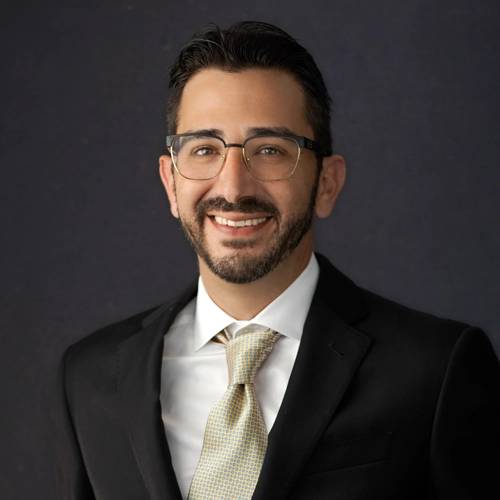
About The Author: Jonathan De Armas, Esq
Jonathan De Armas, Esq. is the founder of De Armas Law, serving families across Tampa and Orlando. A former public defender and insurance defense attorney, he now fights for injury victims with experience, integrity, and personal attention.