Florida Personal Injury FAQs: Your Top 10 Questions Answered
Most people settle for less because they didn't ask the right questions. Here are 10 answers every Florida injury victim actually deserves.

Every day, Tampa and Orlando residents walk out of accidents, emergency rooms, and attorney consultations still carrying a stack of questions no one seems willing to answer clearly. We know, because we hear them every single day — from workers, parents, and families across Hillsborough and Orange County who deserve real legal advice, not runarounds. Below, we’ve answered the top 10 personal injury questions we hear most from our clients, backed by the Florida statutes that govern your rights.
1. What Should I Do Immediately After an Accident in Florida?
What you do in the first 24–48 hours can directly impact the value of your personal injury claim. Here’s the order that matters:
- Call 911. Under Florida Statute §316.065, you are required to report any car crash involving injury, death, or property damage over $500 to the local police department if within city limits, or to the county sheriff or Florida Highway Patrol if you’re not.
- Accept EMS treatment at the scene. Do not refuse treatment if emergency services respond — declining care can be used to downplay your injuries later. Quite often we read in police reports that both parties “reported no injuries,” despite the fact that there are injuries.
- Seek medical care immediately. Even if you feel fine, many serious injuries take 24–72 hours to surface (concussions, brain and spinal injuries). Florida’s PIP law requires you to see a licensed medical provider within 14 days of your accident, or you forfeit your benefits.
- Document everything. Photos, video, road conditions, vehicle positions, and any visible injuries.
- Collect information. Driver’s license, insurance details, and witness contact information.
- Do not admit fault or give a recorded statement. Even a casual apology at the scene can be used against you.
- Notify your own insurance company. Florida’s PIP coverage requires prompt notification after an accident. Keep it brief and refer any detailed questions to your attorney.
- Contact De Armas Law. The sooner you call, the sooner we can preserve critical evidence — nearby businesses, traffic cameras, and dashcam footage can all disappear within days of an accident.
2. How Long Do I Have to File a Personal Injury Claim in Florida?
Under Florida Statute §95.11(3)(a), you have two years from the date of your accident to file, reduced from four years in March 2023 under HB 837. Miss it, and you permanently lose your right to compensation, even if the other party is clearly at fault.
Exceptions: government entity claims may require formal notice before filing; wrongful death claims run two years from the date of death under Florida Statute §95.11(4); and for minors, the clock typically doesn’t start until they turn 18. If any of these apply to your situation, contact our attorneys for legal advice specific to your case.
3. What Is Florida’s No-Fault PIP Law and the 14-Day Rule?
Florida is a no-fault state, meaning your own Personal Injury Protection (PIP) coverage — mandatory under Florida Statute §627.736 — pays your initial medical bills and a portion of lost wages regardless of fault. Here’s what most people don’t know until it’s too late:
- PIP covers 80% of medical expenses and 60% of lost wages up to a $10,000 minimum— dropping to just $2,500 if your injuries don’t qualify as an “emergency medical condition” (EMC).
- To access any PIP benefits at all, you must seek treatment from a licensed medical provider within 14 days of your accident — no exceptions.
PIP is your first layer of protection, not your last. For serious injuries, a personal injury attorney can pursue the at-fault driver’s liability coverage for the full compensation PIP doesn’t cover.
4. How Much Is My Case Worth and What Compensation Types Can I Recover?
There’s no fixed number, and anyone who gives you one without reviewing your case isn’t being straight with you. Initial offers from insurers are almost always below full value. What you can recover depends on the evidence, your injuries, and your percentage of fault under Florida Statute §768.81. Compensation falls into two categories:
- Economic Damages: Medical bills, rehabilitation costs, lost wages, future care costs, and property damage — all with documented dollar values.
- Non-Economic Damages: Pain and suffering, emotional distress, and loss of enjoyment of life.
Not sure which category your damages fall into? That’s exactly why we offer a free consultation.
5. What If I Was Partially at Fault for My Accident?
Florida’s modified comparative negligence rule, enacted under HB 837, determines whether and how much you can recover:
- 50% or less at fault: You can still recover compensation, reduced proportionally by your fault percentage.
- More than 50% at fault: You are completely barred from recovering any damages.
Insurance adjusters in Tampa and Orlando know this, and they’ll often work to inflate your fault percentage to reduce or eliminate your payout. Our personal injury attorney can make sure your fault percentage reflects the truth, not the insurer’s version of it. Get legal advice from De Armas Law.
6. How Do I Pay My Medical Bills While Waiting for My Settlement?
We hear this question at nearly every consultation, and we understand why — the bills arrive long before any settlement does. Here are your options:
- PIP Coverage: Your $10,000 in Personal Injury Protection kicks in first, covering 80% of medical expenses regardless of fault.
- Health Insurance: After PIP is exhausted, your personal health insurance can cover ongoing treatment. Your attorney will handle any subrogation liens at settlement so you keep as much of your recovery as possible.
- Medical Liens: Many providers will treat you on a lien basis, agreeing to be paid from your settlement rather than upfront.
- MedPay Coverage: If you elected Medical Payments coverage on your auto policy, this can supplement PIP for additional out-of-pocket costs.
7. What Tactics Do Insurance Adjusters Use to Make the Process Harder?
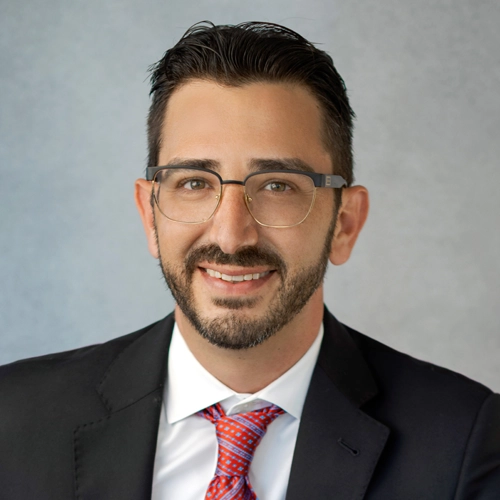
Jonathan De Armas built his early career representing major insurance companies. That industry knowledge now works entirely in your favor. Here’s what Tampa and Orlando clients need to watch for:
- Fast Settlement Offers. Adjusters often call within days of your accident with a lowball figure designed to close the file fast, before you know the full extent of your injuries. Once you sign a release, your claim is over.
- Recorded Statement Trap. They’ll ask you to “just tell them what happened” — what they’re actually doing is building a record to question your injuries or assign you greater fault.
- Delay Tactics. Dragging out the process while your bills pile up, hoping financial pressure forces you into accepting less than you deserve.
- Social Media Monitoring. Insurers actively monitor social media accounts for anything that appears to contradict your injury claims.
You are not legally required to speak with the other driver’s insurance company — refer all contact to us, and let Jonathan’s industry knowledge work in your favor.
8. Do I Need a Personal Injury Attorney, and How Are Fees Handled?
When you’re recovering from an injury, the last thing you should be doing is negotiating with insurance companies on your own. At De Armas Law, you get experienced personal injury legal advice and a dedicated attorney in your corner from day one — handling everything from evidence gathering to litigation if a fair settlement isn’t reached. We work on a contingency fee basis, meaning no upfront costs, out-of-pocket expenses, or fees unless we recover compensation on your behalf.
9. How Long Does a Personal Injury Case Take to Settle in Florida?
Every case moves at its own pace, and several factors shape yours: the severity of your injuries, how quickly you reach maximum medical improvement (MMI), the strength of the liability evidence, and how aggressively the insurer contests your claim. Acting quickly — preserving evidence and retaining an attorney early — keeps pressure on insurers and protects the value of your case. Here’s a general breakdown:
- Straightforward claims with clear liability: A few months to 1 year.
- Disputed liability or serious injuries: 1–2 years.
- Cases that go to trial: 2+ years (rare — the majority of Florida personal injury cases settle before trial).
Delays by insurance companies are sometimes intentional — designed to apply financial pressure until you accept less than you deserve. Sound legal advice early on changes that dynamic.
10. What If the Driver Who Hit Me Has No Insurance?
Florida does not require drivers to carry bodily injury liability (BI) coverage, meaning many Tampa and Orlando drivers are legally on the road with no coverage for injuries they cause. If you’re hit by an uninsured/underinsured driver, options include:
- Uninsured/Underinsured Motorist (UM/UIM) Coverage: Under Florida Statute §627.727, UM/UIM coverage steps in when the at-fault driver has no insurance or not enough to fully compensate you. Your insurer is required to offer this to you when you purchase an auto policy, and while it can be declined, we strongly recommend opting into it.
- PIP Coverage: Your $10,000 in PIP applies regardless of the other driver’s insurance status, subject to the 14-day treatment rule.
- Direct Lawsuit: It may be worth pursuing the at-fault driver’s personal assets — particularly where a commercial vehicle, employer, or third party shares liability.
At De Armas Law, we examine every coverage layer available to make sure you’re not left paying for someone else’s mistake. For a deeper look, read our guides on underinsured motorist coverage in Florida and what to do when the at-fault driver has no insurance.
Get Trusted Personal Injury Legal Advice in Tampa & Orlando — Free Consultation, 24/7
What happened to you wasn’t fair, and you shouldn’t have to face what comes next alone. Jonathan De Armas answers his own phone, treats every client like family, and brings both sides of Florida’s personal injury system to the table for you. Call Tampa at 813-680-7777 or Orlando at 407-362-7777 — we’re here 24/7, because your recovery can’t wait.
Disclaimer: The information contained herein is for informational purposes only, does not create an attorney-client relationship, and is not intended, and should not be relied upon, as legal advice. We strive to ensure accuracy but some information may become outdated or no longer applicable. Legal outcomes vary based on individual circumstances. Past results do not guarantee the same or similar outcomes.
Share This Post

About The Author: Jonathan De Armas, Esq
Jonathan De Armas, Esq. is the founder of De Armas Law, serving families across Tampa and Orlando. A former public defender and insurance defense attorney, he now fights for injury victims with experience, integrity, and personal attention.