


Rideshare Accident Lawsuit: Who’s Really Responsible in Florida Uber & Lyft Accidents?
Was the driver's app on or off at impact? That single fact can determines whether you have $50,000 or $1,000,000 in coverage.
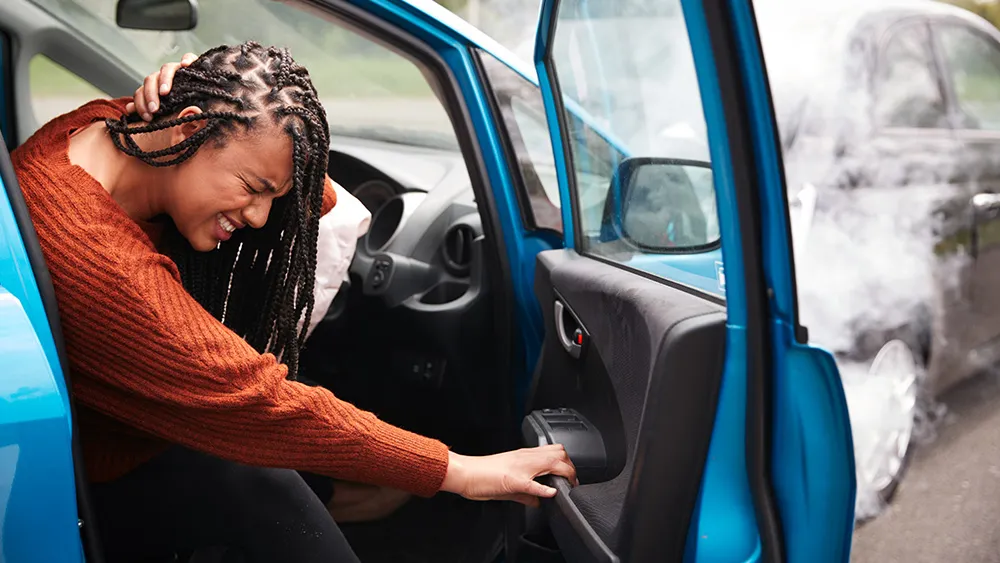
You grabbed an Uber outside Amalie Arena after the Lightning game or caught a Lyft back from Tampa International. Then the driver rear-ended a slowing semi amid I-4’s construction chaos near I-75. Now you’re in a hospital room, wondering who pays for this, like thousands of injured riders before you. Rideshare accident lawsuits in Florida work differently from regular crashes, and understanding the difference before the insurance adjuster calls is what this article intends to explain.
How Does Rideshare Accident Liability Differ From Standard Car Accidents?
Regular Tampa/Orlando crashes mean chasing the at-fault driver’s policy. Rideshare cases? Two legal hurdles shield Uber/Lyft from direct blame:
- Independent contractor classification. Florida Statute §627.748(9), establishes conditions under which rideshare drivers are treated as independent contractors. This generally limits the application of respondeat superior liability, the legal principle that holds employers responsible for harm their employees cause on the job.
- App-dependent insurance framework. Instead of direct employer liability, Florida created a mandatory insurance framework under §627.748 that requires specific coverage based on the driver’s app activity at the moment of impact.
Transportation Network Companies (TNCs), the legal term for Uber and Lyft, must carry coverage that shifts based on one factor: app status.
Florida’s Rideshare Insurance Framework: What Does It Require?
Florida Statute §627.748 divides a driver’s activity into “coverage periods,” labeled Period 0 through Period 3. The active period during your crash determines available coverage.
1. Period 0 – The App Is Off. When the driver’s app is off, §627.748 doesn’t apply. The driver is a private citizen and is covered only by their personal auto insurance. As a passenger, it’s good to know that many personal policies exclude rideshare activity entirely (even when the app is off), so without coverage, you rely on your own UM/UIM.
2. Period 1 – App On, Waiting for a Ride Request. App activated, but no ride accepted. TNCs must provide contingent minimum coverage if personal insurance denies:
- $50,000 per person / $100,000 per incident of bodily injury liability. Covers injuries to others if the driver is at fault.
- $25,000 in property damage liability. Covers damage to other vehicles or property.
- Personal Injury Protection (PIP). Florida’s mandatory no-fault medical coverage, under §627.736, which pays 80% medical/60% lost wages up to $10,000. You must see a doctor within 14 days or lose coverage.
- Uninsured/Underinsured Motorist Coverage. Insurers must offer this, but it’s optional and can be waived. Protects you when hit by a driver with no insurance or inadequate coverage. It pays economic/non-economic damages (medical bills, lost wages, pain/suffering) after PIP exhausts; stacking across vehicles/policies boosts limits if selected.
The driver’s personal policy, TNC’s policy, or both can satisfy these Period 1 coverage minimums. Under §627.748(7)(e), TNC coverage cannot require the personal insurer to deny first. Under §627.748(7)(d), if the driver’s policy lapses, the TNC steps in from dollar one with full duty to defend.
3. Period 2 & 3 – Ride Accepted Through Passenger Exit.
Under §627.748(1)(b), a “prearranged ride” starts when the driver accepts a trip request and ends when the last passenger exits the vehicle. The industry labels this as Period 2 (en route to pickup) and Period 3 (passenger in the car), but both are legally the same period under Florida statute. Both carry identical obligations under §627.748(7)(c):
- $1,000,000 in primary liability coverage. Covers death, bodily injury, and property damage per §627.748(7)(c).
- Personal Injury Protection (PIP). Must meet minimum coverage amounts required of a limousine under §627.748(7)(c).
- Uninsured/Underinsured Motorist Coverage (UM/UIM). Required per §627.727, though see coverage gap section below for 2024 enforceability. That said, the required UM/UIM coverage can be satisfied in different ways such as by a). rideshare driver, b). the vehicle owner, c). the TNC itself, or d). a combination of all three.
Expert Tip: Screenshots of your trip receipt, driver profile, and app timestamp can establish rideshare accident liability, proving the active period at the time of the crash. This single piece of evidence can mean a $50,000 claim vs. a $1,000,000 claim. Get them before the app refreshes.
Can you Sue Uber or Lyft Directly in a Rideshare Liability Lawsuit?
The short answer: usually no, you cannot sue Uber or Lyft directly for their driver’s actions. Florida law classifies rideshare drivers as independent contractors, not employees. That classification blocks the legal path you’d normally use to hold a company responsible. What you’re pursuing instead is their insurance coverage.
How Do TNCs Maintain This Legal Shield?
Florida law outlines several conditions for independent contractor status:
- Cannot set driver hours.
- Cannot prohibit work for competing TNCs.
- Cannot restrict other employment.
- Must have written an IC agreement.
Uber and Lyft structure their agreements to meet all four.
When Can You Sue The Company Directly?
That shield breaks when the company’s conduct — not just the driver’s — caused or contributed to your harm. Florida recognizes three theories:
- Negligent hiring. Approving a driver with a disqualifying criminal history that proper background screening under §627.748(8) would have uncovered. However, note in Florida’s Third District Court of Appeal, Abner v. Lyft Florida, Inc. (3d DCA 2025), that the aforementioned disqualifying behavior requires specific criminal convictions. Traffic citations or general passenger complaints don’t meet the threshold.
- Inadequate screening. Section 627.748(8) requires TNCs to conduct criminal background and driving record checks before any driver can accept rides. Systemic failures in that process can create company liability. But again, see Abner v. Lyft Florida, Inc. (3d DCA 2025).
- Failure to act. Ignoring documented safety complaints or known red flags about a driver already operating on the platform.
Attorney Insight: Direct liability claims fail when treated like standard negligence. TNCs will cite §627.748(9) and demand proof of systemic screening failures or ignored complaints, not just a bad driving record. Most attorneys don’t know where TNC vetting records are or how to subpoena them. Jonathan does.
Are There Hidden Coverage Gaps in Rideshare Accidents?
Two gaps in Florida’s rideshare accident liability framework regularly catch injured riders by surprise, even when the right period is active and coverage should exist.
1. The UM/UIM Enforcement Problem. Florida law requires UM/UIM coverage in both rideshare periods, but a 2024 federal court ruling created uncertainty. In Progressive Express Insurance Company v. Rasier-DC, LLC, 724 F.Supp. 1273 (S.D. Fla. 2024), the court ruled that TNC “any auto” policies may not be subject to §627.727 UM/UIM mandates because the statute applies only to “specifically insured or identified motor vehicles”—not the blanket coverage TNCs provide.
2. The PIP Gap for Riders Without a Car. Own a car? Your PIP covers you first. Don’t own a car, but live with a resident relative who does ? Then your PIP would go through your relatives policy of insurance. Don’t own a car, don’t live with a resident relative that owns a car, then you would rely on the TNC’s policy during an active ride. Even at the elevated PIP level required by §627.748(7)(c), that ceiling won’t cover serious injuries. The good news: when injuries meet Florida’s serious injury threshold under §627.737(2) (permanent injury, significant loss of bodily function, permanent scarring, or death), you can step outside the no-fault system and pursue full compensation for pain and suffering, medical expenses, and lost wages.
Key Note: The UM/UIM enforcement issue doesn’t mean coverage is unavailable — the legal landscape is contested after the 2024 ruling. Don’t assume the policy provides it, or that it doesn’t. Have our attorney review the policy language before drawing conclusions.
What Questions Do People Ask About Rideshare Accident Lawsuits?
These are the most common questions we hear from Tampa and Orlando clients.
- What Should I Do After a Rideshare Accident? Screenshot your trip receipt, driver profile, and timestamp before closing the app. Call 911 and request that “rideshare” appear in the police report. See a doctor within 14 days to preserve PIP coverage, and do not give any recorded statement to an insurance adjuster before consulting an attorney.
- How Long Do I Have to File a Rideshare Accident Lawsuit in Florida? Two years from the accident date under §95.11, as amended by HB 837 in 2023.
- I Was Injured as a Pedestrian or Cyclist by a Rideshare Driver. Does the Same Framework Apply? Yes. §627.748 coverage periods apply regardless of whether you’re a passenger, pedestrian, cyclist, or occupant of another vehicle. App status at impact determines coverage.
- The Driver Was En Route, But I Wasn’t Charged. What Period Applies? If they accepted your trip request before the crash, you’re in Period 2/3 with $1,000,000 coverage, even if the trip was later canceled and you weren’t charged. Your app history and their logs will prove acceptance.
- What Damages Can I Recover in a Rideshare Accident Lawsuit? Medical expenses, lost wages, pain and suffering, permanent disability, and property damage. If your injuries meet Florida’s serious injury threshold under §627.737(2), you’re not capped by PIP percentages and can pursue full compensation.
- What’s the Average Settlement for a Florida Rideshare Accident Lawsuit? It depends on coverage period, injury severity, and policy limits. Period 1 crashes max out at the driver’s personal limits or the TNC’s $50,000/$100,000 contingent coverage. Period 2/3 crashes have access to $1 million in primary coverage. Permanent injuries (traumatic brain injuries, spinal cord damage, or permanent disability) routinely settle in the six-figure range.
Injured in a Tampa or Orlando Rideshare Accident? De Armas Law Is Ready.
Rideshare accident liability is complex, and insurers use that complexity to protect themselves and their profits. De Armas Law cuts through it — with direct attorney access, experience in §627.748 coverage disputes, and a track record of winning results for injured riders across Tampa and Orlando. When you hire De Armas Law, you can focus on your recovery while we handle the rest. Contact De Armas Law for your free consultation, available 24/7. Tampa: 813-680-7777 | Orlando: 407-362-7777. No fee unless we win.
Disclaimer: The information contained herein is for informational purposes only, does not create an attorney-client relationship, and is not intended, and should not be relied upon, as legal advice. We strive to ensure accuracy but some information may become outdated or no longer applicable. Legal outcomes vary based on individual circumstances. Past results do not guarantee the same or similar outcomes.
Share This Post

About The Author: Jonathan De Armas, Esq
Jonathan De Armas, Esq. is the founder of De Armas Law, serving families across Tampa and Orlando. A former public defender and insurance defense attorney, he now fights for injury victims with experience, integrity, and personal attention.



 Website by