


Vicarious Liability in Commercial Truck Accidents: What Florida Victims Should Know
Insurance adjusters won't tell you this: trucking companies can be liable even when the driver broke almost every rule. Here's why.

After a devastating collision with a commercial truck on I-4 or I-75, you’re dealing with overwhelming pain, mounting stress, and confusion about who’s actually responsible. Vicarious liability in commercial truck accidents—Florida’s respondeat superior doctrine—holds trucking companies accountable for driver negligence during work. At De Armas Law, we believe Tampa and Orlando truck accident victims deserve to understand how this employer liability works and why pursuing the company is the pathway to full compensation.
What Is Vicarious Liability in Commercial Truck Accidents?
Vicarious liability in commercial truck accidents operates through Florida’s respondeat superior doctrine—a common law principle meaning “let the master answer.” Employers that benefit from an employee’s work can be held responsible for the risks or negligence created during that work. The key question is whether the driver was acting within the scope of employment during the crash—hauling freight, making deliveries, traveling assigned routes. If so, the company faces financial accountability even if it did nothing wrong and it was just the driver violating policies.
When Does Florida Law Impose Vicarious Liability on Trucking Companies?
To establish vicarious liability in Florida commercial truck accidents, courts evaluate several factors to determine if an employee was acting within the scope of employment during the accident such as:
- Employee Conduct – A truck driver hired to transport cargo is acting within scope when driving, not running personal errands.
- Employment Time and Space Limits – During assigned work hours and routes, including work-related stops during long hauls.
- Serving Employer’s Interests – Any action benefiting the employer’s business, even if violating company policy.
Common Tampa/Orlando Scenarios: Even if the driver was speeding or falsifying logbooks, the company remains liable if the driver was serving the employer’s interests. Whether it’s a driver hauling containerized freight from Port of Tampa to Orlando on I-4, refueling at a truck stop on I-75 during a haul, or returning empty to the Tampa terminal after delivery, Florida courts recognize that policy violations do not eliminate the scope of employment when the underlying task benefits the company.
How Can Trucking Companies Be Liable for Their Own Negligence?
Direct liability means the trucking company faces accountability for its own independent negligence—not just because it employed the driver. Unlike vicarious liability in commercial truck accidents, which imposes responsibility through the driver’s actions, trucking company negligence focuses on the company’s wrongdoing. Proving the company’s failures caused the crash requires a trucking company liability lawyer who understands both vicarious and direct negligence theories. Combining these claims strengthens your case and may support punitive damages when corporate negligence shows willful disregard for public safety.
- Negligent Hiring – When Companies Hire Unfit Drivers. A trucking company is liable when it hires a driver it knew or should have known was unfit to operate a commercial vehicle safely. Florida law requires companies to exercise reasonable care in selecting drivers:
- Hiring drivers with suspended CDLs, DUI histories, or multiple at-fault crashes.
- Not conducting background checks or verifying CDL status.
- Ignoring red flags in the driver’s Motor Vehicle Record (MVR).
- Not checking the FMCSA Motor Carrier Safety database records before employment.
Federal regulations require companies to verify driver qualifications, and failure to use FMCSA screening tools strengthens negligent hiring claims.
- Inadequate Training – Setting Up Drivers to Fail. Trucking companies have a duty to properly train drivers on federal safety regulations, vehicle operation, and defensive driving. Inadequate training can establish direct liability if it leads to a crash:
- Not training drivers on Hours of Service regulations (49 CFR Part 395), leading to driver fatigue on long I-4 corridor hauls.
- Not teaching proper cargo loading and securement, resulting in load shifts or rollovers.
- No hurricane season driving protocols (June-November).
- Inadequate training for I-4 construction zone navigation or handling aggressive tourist traffic.
Training records and safety manuals establish these failures. If there’s a pattern of inadequate training across multiple drivers, this can prove systemic negligence.
- Negligent Maintenance – Cutting Corners on Safety. FMCSA regulations (49 CFR §396.3) require trucking companies to inspect, repair, and maintain their fleets. When companies cut maintenance costs, they face direct liability for resulting crashes:
- Trucks operated with worn brakes, bald tires, or defective lighting.
- Brake failures in Florida’s heat and humidity.
- Tire blowouts from worn treads on hot I-4 and I-75 summer asphalt.
- Ignored manufacturer recalls or skipped inspections.
- Falsified maintenance records or did not address mechanical defects.
DOT inspection reports and maintenance logs provide the strongest evidence. Companies that destroy or falsify records after receiving preservation letters face sanctions and adverse inferences at trial.
- Dangerous Corporate Policies – Profits Over Safety. Some trucking companies create conditions that make crashes inevitable by prioritizing profits over safety. When corporate policies encourage or pressure drivers to violate federal regulations, the company bears direct liability:
- Unrealistic delivery schedules pressure drivers to exceed Hours of Service limits.
- Bonus structures reward speed and mileage over safe driving.
- Dispatch records show the company instructed drivers to violate federal safety rules.
- Failure to discipline drivers who repeatedly break safety regulations.
Corporate pressure to meet unrealistic deadlines often appears in dispatch records and driver communications, providing direct proof that company policies, not just driver error, caused the crash.
When Florida Trucking Companies Claim the Driver Was an Independent Contractor
Trucking companies often claim drivers are “independent contractors” to avoid vicarious liability claims in commercial truck accidents. This defense becomes complex when trucks are leased or drivers work for third-party logistics companies, but Florida courts don’t rely on contract labels. They examine the actual working relationship using factors like control, exclusivity, and economic dependence—potentially holding multiple entities liable based on questions like:
- Does the company dictate routes, schedules, and procedures?
- Does the company monitor drivers through GPS or ELD tracking?
- Is the truck branded with company logos?
- Who owns the equipment and provides fuel cards?
- Does the driver work exclusively for one company or multiple clients?
- Can the driver refuse loads or set rates?
When a driver hauls freight exclusively for one company along the I-4 corridor, operates a truck with that company’s logo, receives company fuel cards, and follows dispatcher-assigned routes monitored via ELD, Florida courts typically find there’s an employment relationship. Under 49 CFR §390.5, federal law defines “employee” broadly, and lease arrangements under 49 CFR §376 create additional liability pathways. A trucking company liability lawyer investigates all contractual relationships to identify every liable party with insurance coverage.
What Evidence Proves Trucking Company Liability?
Proving trucking company liability requires an experienced trucking company liability lawyer who understands the specific documentation needed to establish the employment relationship and the company’s negligence. Time is critical because federal retention requirements allow companies to destroy evidence quickly.
5 Critical Evidence Types:
- Employment Documentation – Employment contracts, payroll records, job descriptions, and company policy manuals establish the working relationship and prove the foundation for vicarious liability in commercial truck accidents. W-2 forms indicate employment, while 1099 forms suggest independent contractor status. Dispatcher communications prove the company’s authority over the driver.
- Electronic Logging Device (ELD) Data – Required by 49 CFR Part 395, ELD records reveal Hours of Service violations, dispatch control, route assignments, and deadline pressure on I-4 runs. ELD data stores for only six months, so preservation requests must be immediate.
- Maintenance and Inspection Records – DOT inspection reports (required annually under 49 CFR §396.17), daily inspection forms, repair logs, and brake and tire documentation reveal whether the company cut corners. Florida’s humid climate makes these records critical for proving brake failures and tire blowouts.
- Dispatcher-Driver Communications – Text messages, phone logs, and ELD messaging prove company control. A message like “Get to Orlando by 3 PM or you’re off the schedule” establishes employer control over driver operations.
- Post-Accident Evidence – Drug and alcohol test results (required within eight hours under 49 CFR §382.303) and company accident reports reveal whether proper safety protocols were followed.
“Trucking companies know which evidence matters and some records may conveniently be deleted or overwritten once federal retention periods expire. That’s why when I’m handling a trucking case I send preservation letters within days of a crash and aggressively pursue spoliation sanctions when companies destroy critical records.” – Jonathan R. De Armas, Esq.
Questions Tampa and Orlando Truck Accident Victims Ask About Employer Liability
These are the most common questions our clients ask our trucking company liability lawyer when they call our Tampa or Orlando office:
- Can I Pursue Both the Driver and Trucking Company For The Same Accident? Yes, you can pursue both parties simultaneously—the truck driver for personal negligence and the trucking company under vicarious liability and direct negligence theories. Having multiple defendants with separate insurance policies significantly increases your chances of full compensation.
- Why Pursue the Company If The Driver Has Insurance? The driver likely carries limited personal liability insurance. Trucking companies must carry federally mandated commercial policies under 49 CFR §387.9: $750,000 minimum for general freight, up to $5,000,000 for hazardous materials. Under Florida’s vicarious liability doctrine, you can access this commercial coverage. Hiring a trucking company liability lawyer ensures you pursue full compensation rather than accepting the driver’s inadequate policy.
- How Long Do I Have to File a Trucking Accident Claim in Florida? Under Florida Statute §95.11, modified by HB 837 effective March 24, 2023, you have two years from the accident date to file a negligence lawsuit (reduced from four years).
When Trucking Companies Avoid Responsibility, De Armas Law Fights For You
The crash changed everything—your body, income, and future—and trucking companies want you to accept pennies and disappear. At De Armas Law, Jonathan serves as your trucking company liability lawyer, personally handling every case with the industry knowledge he gained from defending insurance companies. Call Jonathan’s direct line at 813-680-7777 (Tampa) or 407-362-7777 (Orlando) 24/7 for a free case review. If we don’t win your case, you don’t pay a dime.
Disclaimer: The information contained herein is for informational purposes only, does not create an attorney-client relationship, and is not intended, and should not be relied upon, as legal advice. We strive to ensure accuracy but some information may become outdated or no longer applicable. Legal outcomes vary based on individual circumstances. Past results do not guarantee the same or similar outcomes.
Share This Post

About The Author: Jonathan De Armas, Esq
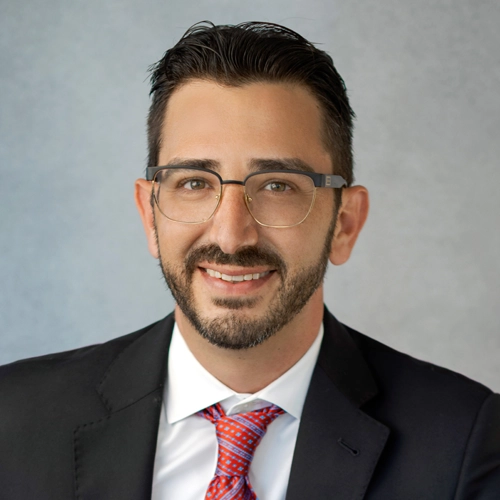
Jonathan De Armas, Esq. is the founder of De Armas Law, serving families across Tampa and Orlando. A former public defender and insurance defense attorney, he now fights for injury victims with experience, integrity, and personal attention.


 Website by